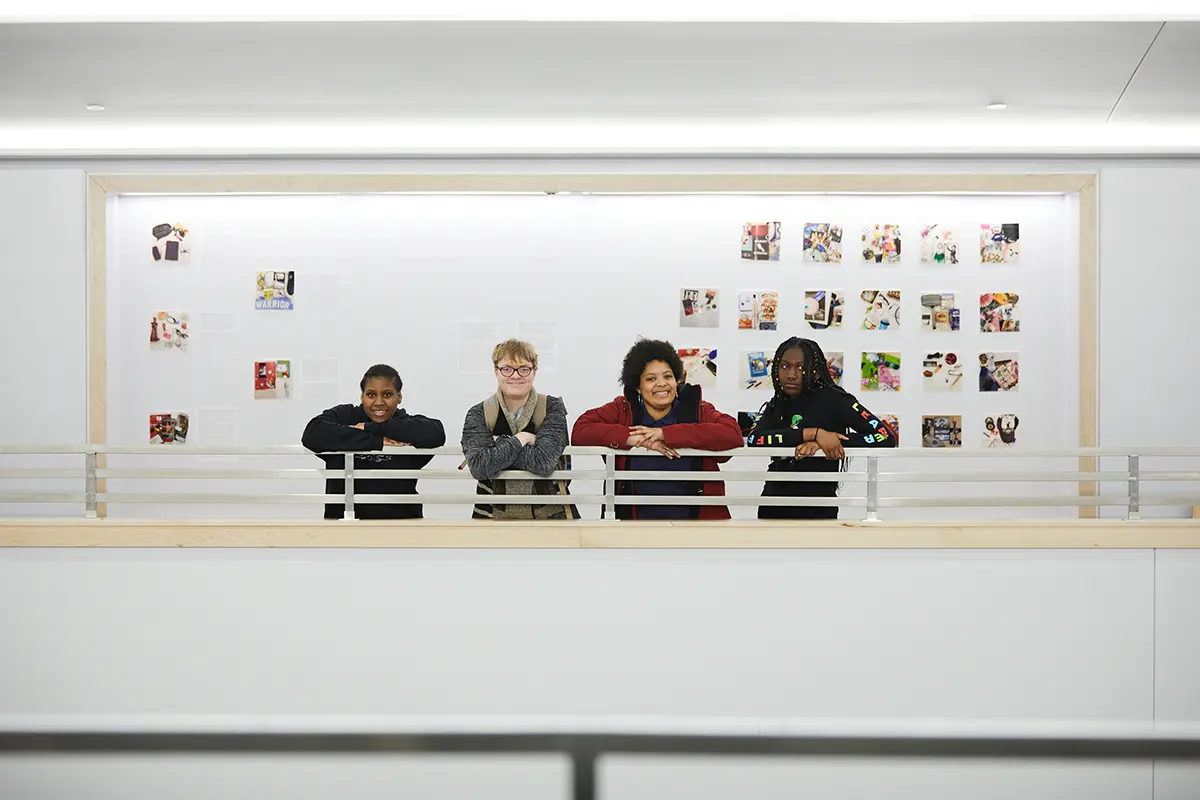
Karen Monge-Garcia, a junior at Grand Rapids Public Museum High School (GRPMHS), is one of three students who sat before the Michigan State Board of Education and shared their high school experience last month in Lansing.
It’s not every day high school students get to sit down with state leaders and show them what education can be. At XQ, we believe young people can change how we think about high school and shape the decisions policymakers make about its future. That’s why we were so excited to have students and educators from GRPMHS join us at a Michigan State Board of Education meeting to talk about the future of high school.
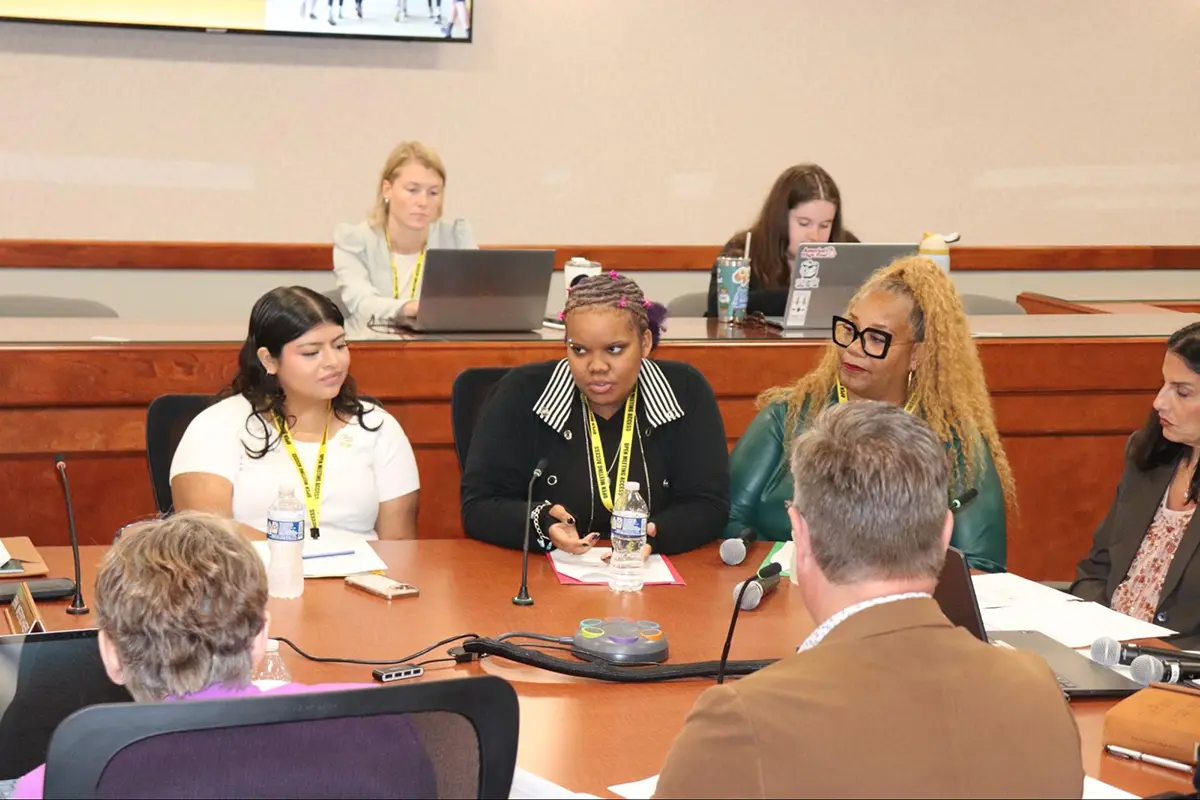
Photo credit: David Head, Michigan Department of Education
“Every student has a passion that is pursued through their invention, their website, anything that they create. It truly shows the character of the students and how the school supports us.”
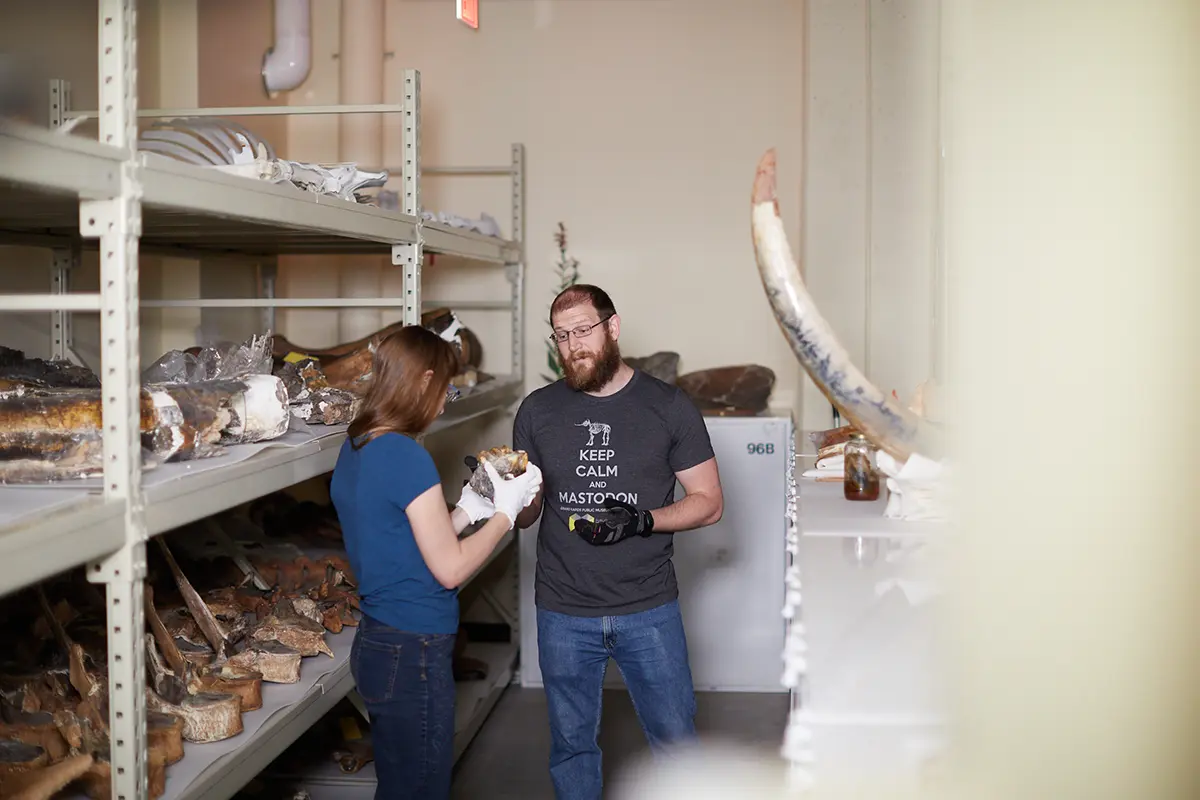
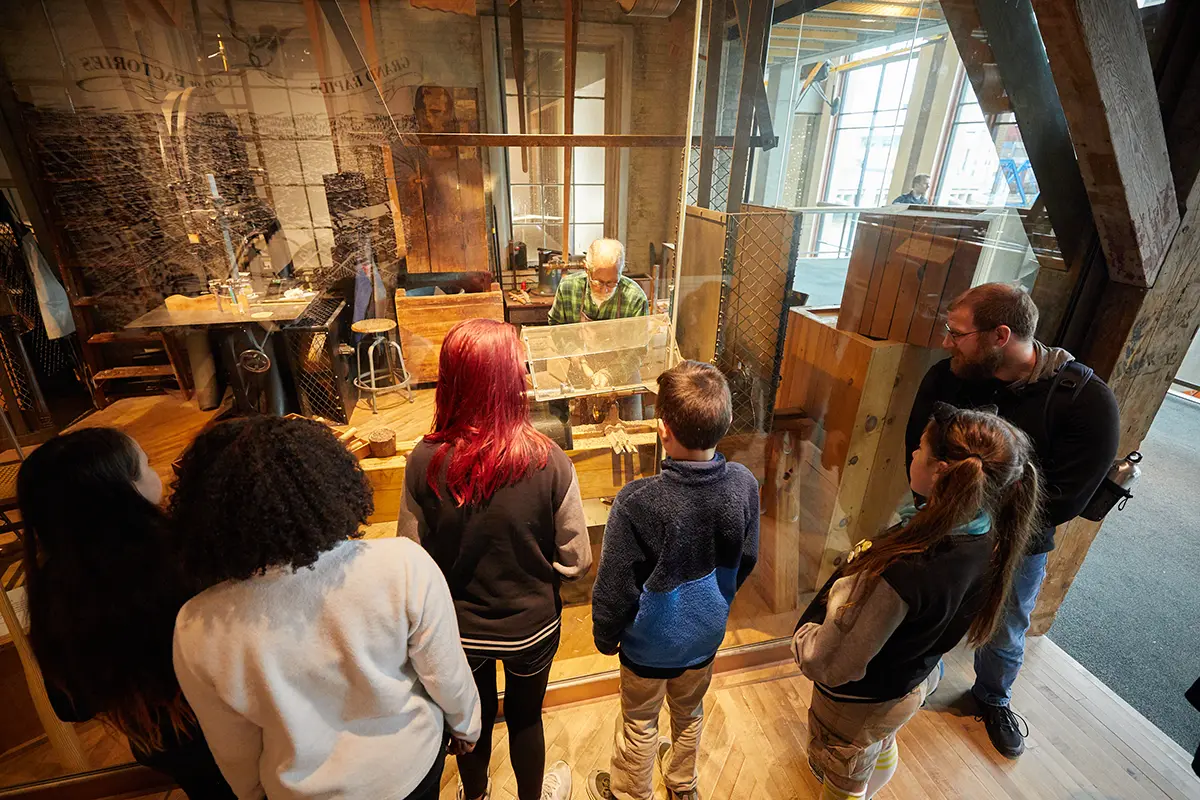
Sitting elbow-to-elbow with board members, Karen and her classmates offered a glimpse inside their school, which once housed the city’s beloved museum and still holds its archives of more than 250,000 artifacts. Students might examine animal specimens to study habitats or explore the history of fashion through 1920s flapper dresses, using the museum’s collections to experience science and history up close. Meeting with state leaders—and bringing students and educators into that conversation—is part of our work around The Future Is High School. This report identifies 10 policy actions to help states create the conditions for high schools that prepare young people with the knowledge, experiences, and credentials that matter in a rapidly changing world. Michigan stands out for meeting six of those actions, with several other actions in progress.
An XQ school, GRPMHS is unique for its community-centered model, which uses Grand Rapids as a living classroom and connects students’ academic learning to local history, cultural institutions, and real-world challenges.
“The community is a big part of what we do,” sophomore Lady Friend told the board. She explained that classes and projects often involve walking through downtown Grand Rapids, engaging with local businesses, and learning about history that happened mere steps from the school’s front door. Lady put those experiences to work by creating and teaching a class on local African American history to middle school students in the area.
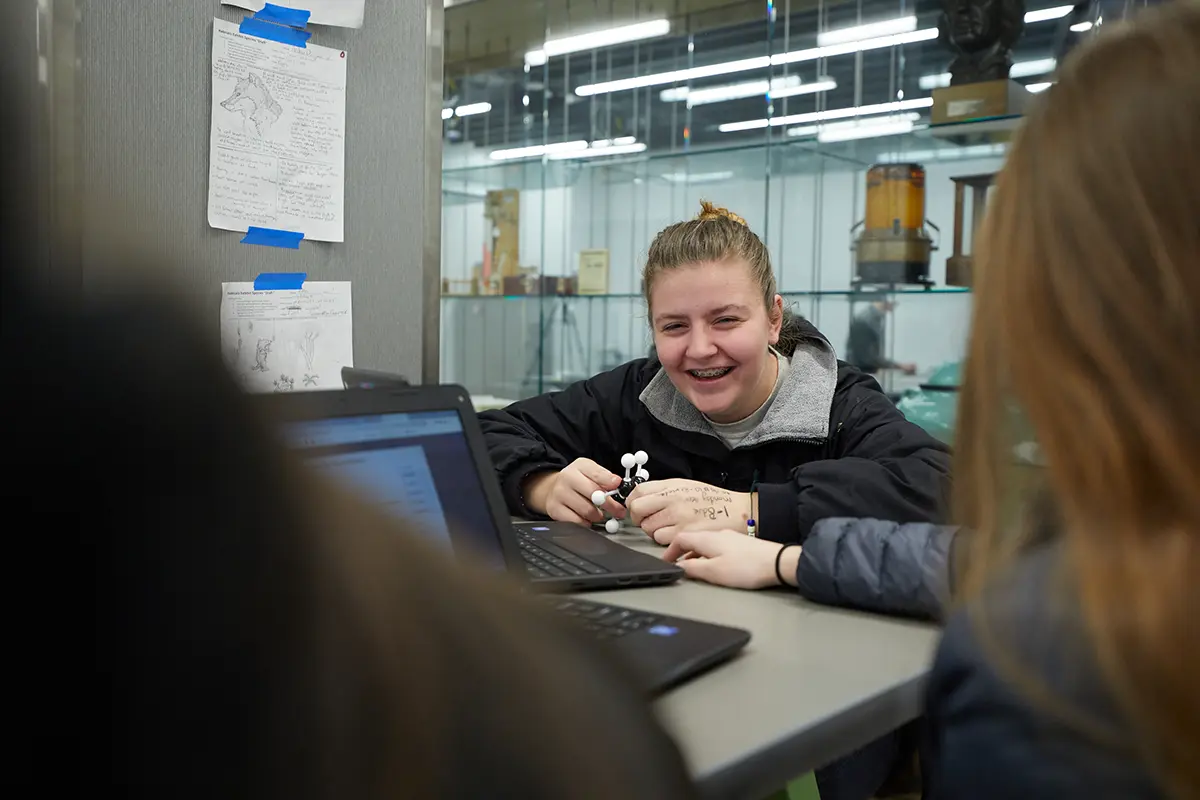
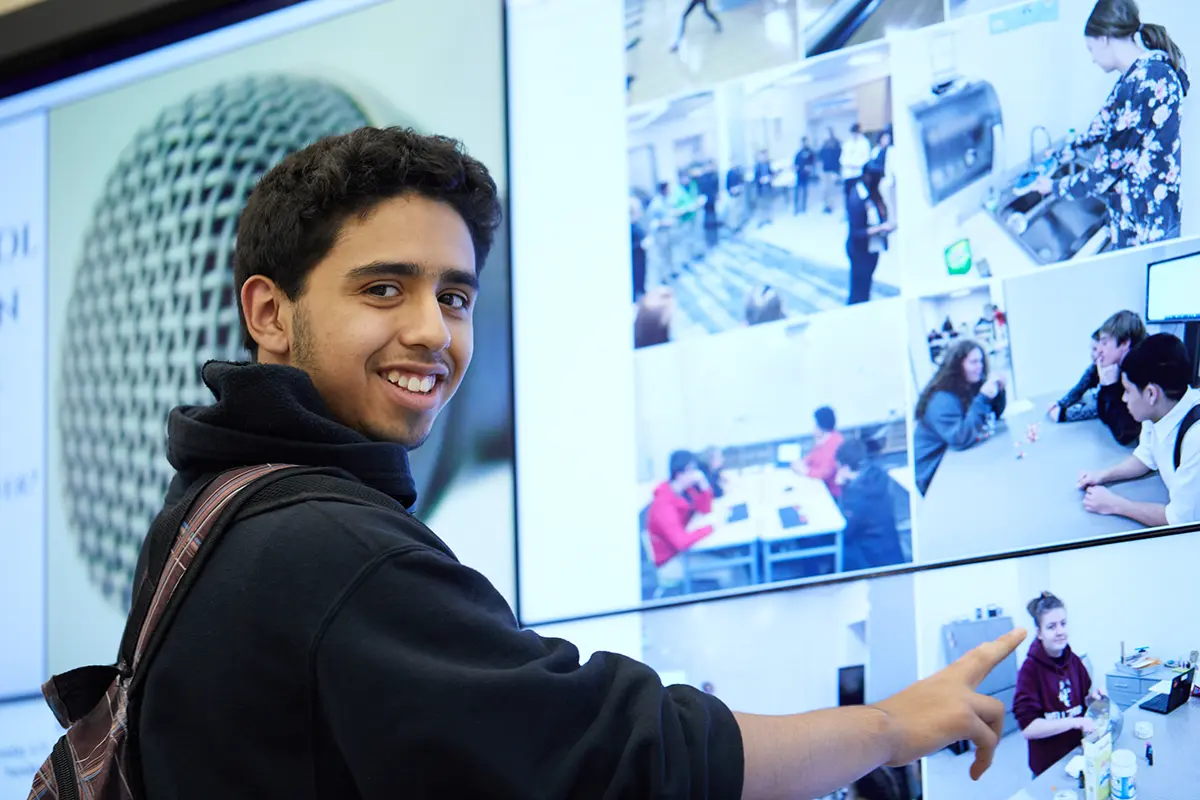
That community-based learning is complemented by rigorous, hands-on projects that help students develop skills they can carry into life after high school. Caiden Meade, a 2026 GRPMHS graduate, helped launch the school’s bicycle shop, applying lessons from auto mechanics while building expertise in design and team management. In partnership with local nonprofit Upcycle Bikes, the shop provides bicycles to people experiencing homelessness, giving Caiden a chance to apply his technical knowledge and problem-solving skills to a practical challenge beyond the classroom.
Student experiences like these depend not only on what happens in the classroom, but also on whether state policies give schools the opportunity to make them possible. Policies—such as flexibility from seat time requirements and offering credit for work-based learning experiences—can help schools offer relevant, meaningful learning that prepares students for college, career, and life.
Michigan has built a strong foundation for high school transformation. Karen, Lady, and Caiden’s stories offer a glimpse of what’s possible when policies encourage learning that connects to students’ lives, puts their skills into practice, and gives them a stake in their communities. As Michigan continues to rethink high school, the voices of young people should help shape what’s next.
