Through this ongoing collaboration, BIG shows how to make smart use of time, space, and tech with a nontraditional school day that enables students to go deep into their subjects and projects. Students typically join BIG in 11th or 12th grade and earn credits in English, social studies, and business. While most students at BIG spend about half their time continuing to take courses in their home high schools, their experience at BIG is transformative through a focus on five major tenets:
-
- Students choose or pitch projects they care about
- Projects are interdisciplinary
- Projects must have an outside local or industry partner
- The success of a project is not what determines a grade; rather, the students work to achieve mastery
- Learning also includes seminars, like college
Educators and leaders at Iowa BIG design student learning experiences to release responsibility for time, space, assessment, and curriculum to the student. Each student manages a Google calendar with appointments, meetings, and work time. Projects can touch upon state standards in many ways. For subject matter that doesn’t appear authentically (for example, Algebra II), teachers offer seminars for students to learn the standards not directly touched.
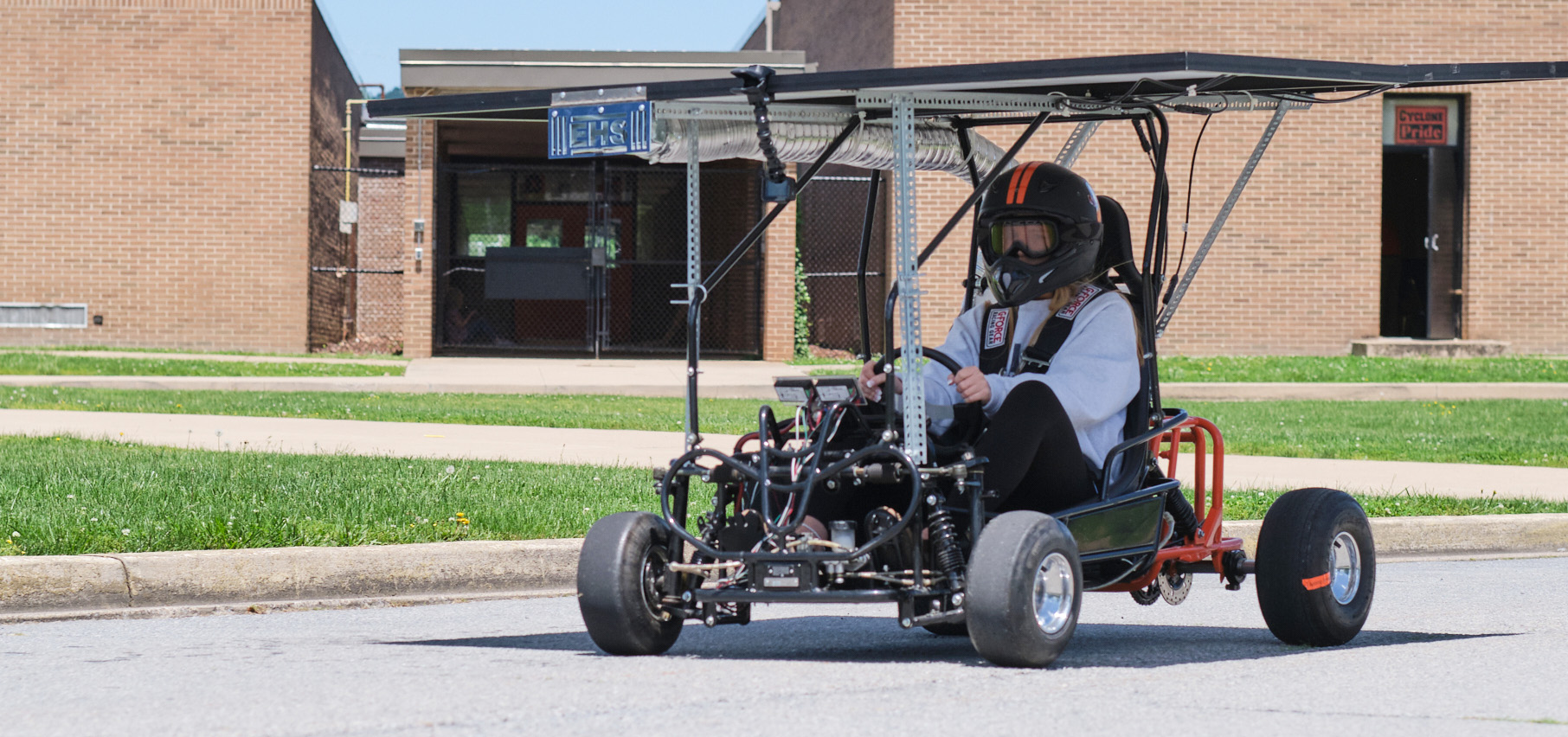
Student projects create a real impact on community members and the local environment. They range from advising city officials on improving their use of social media to creating a dance therapy curriculum for people with special needs. Students have also investigated the use of drones for agriculture, drafted plans to redevelop an abandoned meatpacking property for recreation, and researched local water quality for residents. Iowa BIG’s partnership with neighboring school districts is uniquely generous. The districts provide teachers and support BIG financially, covering part of the rent, the director’s salary, and equipment expenses.
Iowa BIG’s first magnet high school, City View, opened in 2023. Unlike BIG, it’s a school, not a program. And because it’s for grades 9-12, educators give students more guidance in their early years until they become more independent in project-based learning.