Edison is an anchor school among the 100-plus city high schools participating in FutureReadyNYC, a bold new vision for career-connected learning. Edison is also a participant in Imagine NYC, a dynamic partnership between New York City Public Schools and XQ to design innovative, high-quality schools that serve every student. Through its redesign, Edison leaders and staff will continue to advance their vision of preparing students for an unknowable future: blending academics and career, and making sure all learning is relevant to students’ lives and goals. Learn more at NYC+XQ.
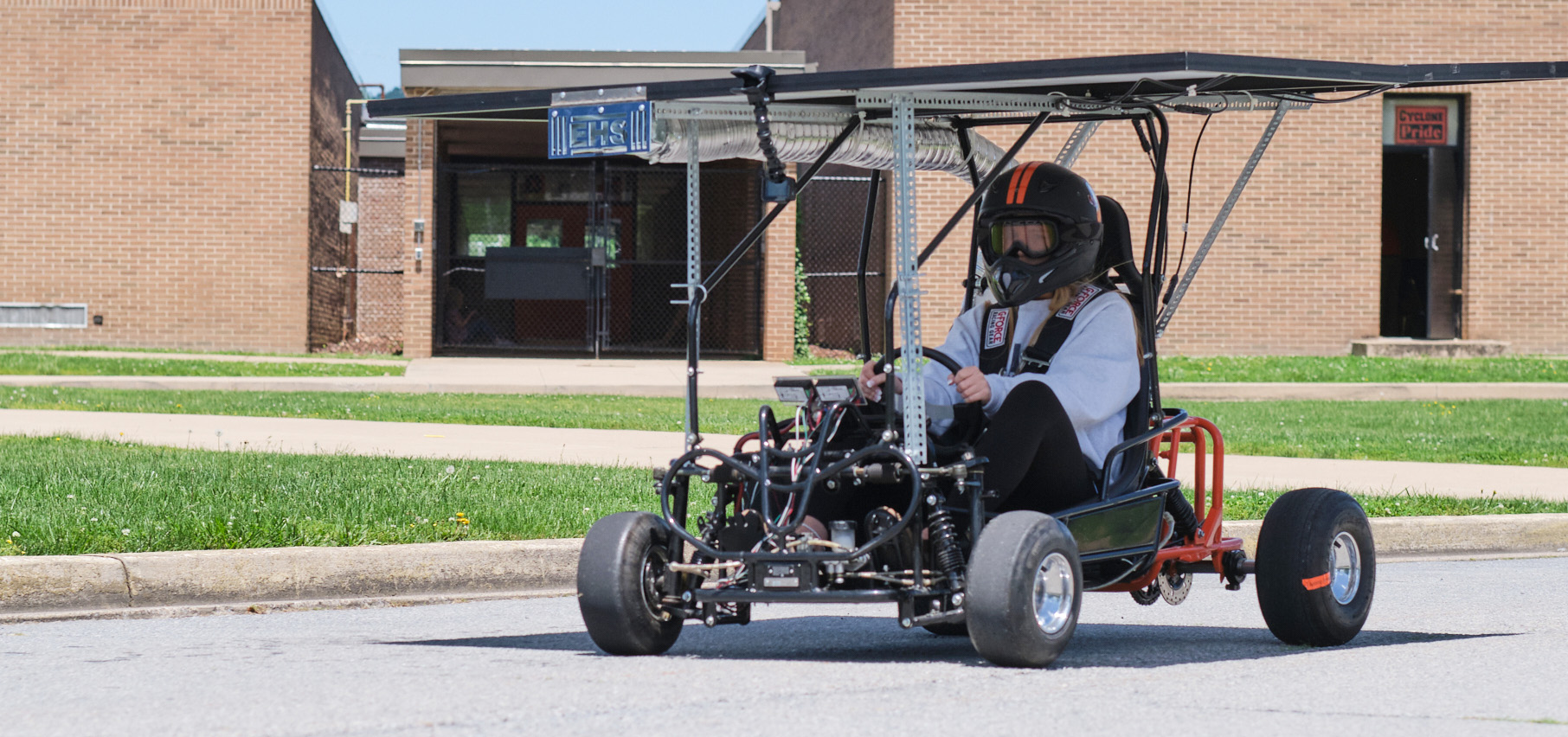
At Edison, educators are working to do away with the distinction between “academic” and “career” learning so that all learning feels connected and relevant to students’ future goals. This is in line with their overall emphasis on meaningful, engaged learning. Students at Edison choose between 13 career tracks, the most of any New York City public school. As part of these career tracks, students have the opportunity to pursue internship and work-based learning from companies like Apple and Google, and receive industry certifications that set them up to start working technical jobs when they graduate high school. Students also graduate eligible for college and can earn college credits while at Edison through a partnership with the City University of New York.
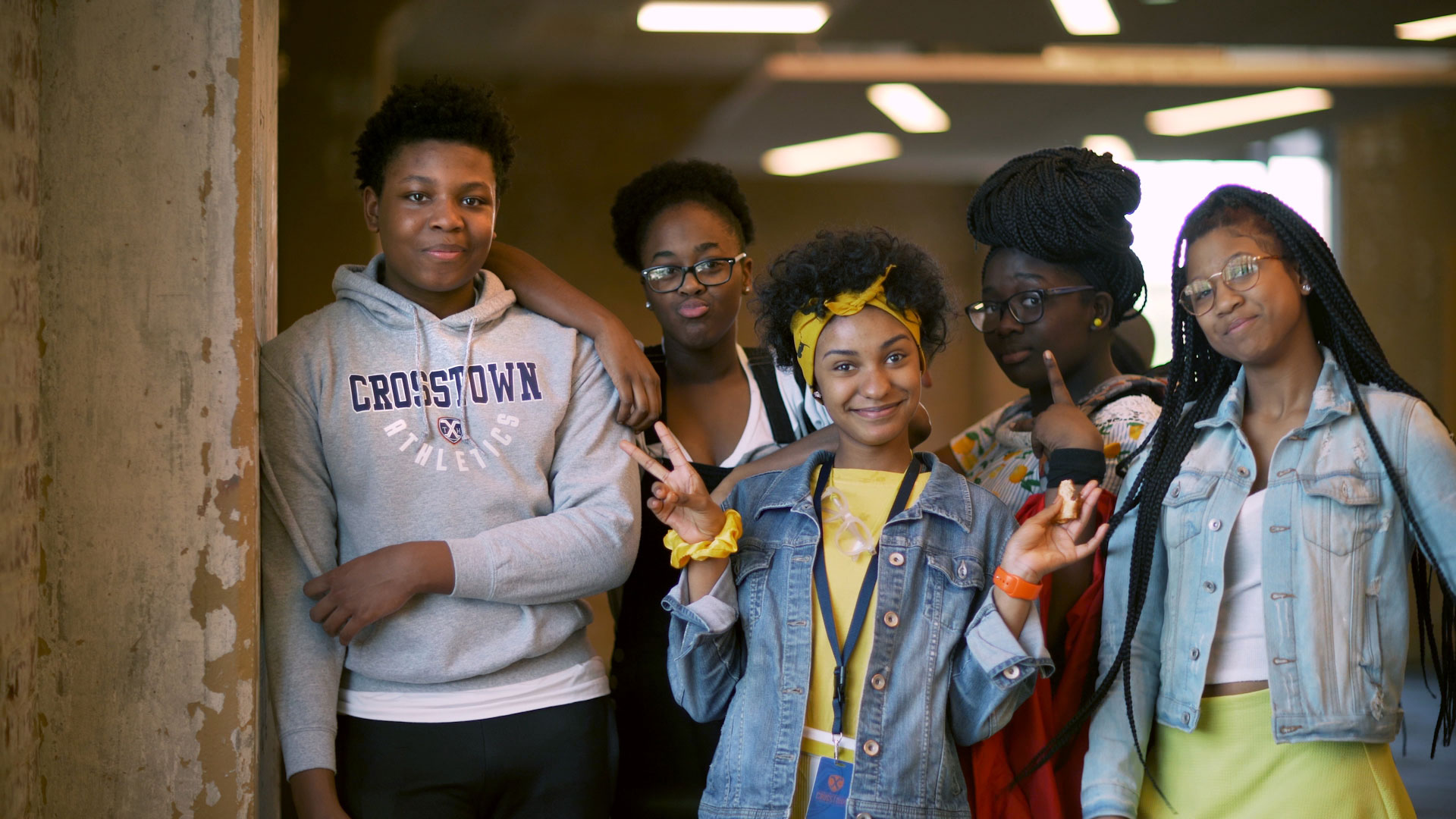
Student leaders and teachers at Edison worked together to develop five essential skills—communication, collaboration, giving and receiving feedback, design thinking, and professionalism—that reflect the demands of 21st-century employers. These essential skills guide learning in many of Edison’s academic classes, making academic content feel relevant to students’ real-life goals. Developing these skills often entails giving students control over the classroom—like a student-run theater in an English Language Arts classroom. The school is continuing to push its vision for relevant, student-led learning through a co-op model where teachers and students co-design curricula that reflect the modern workplaces students will enter, rather than perpetuating the characteristics of traditional vocational education models.